
Favorite Concrete Repair Tools And Materials For Easy Application
Browse through the most popular tools and materials that simplify concrete repair projects for beginners and pros alike.
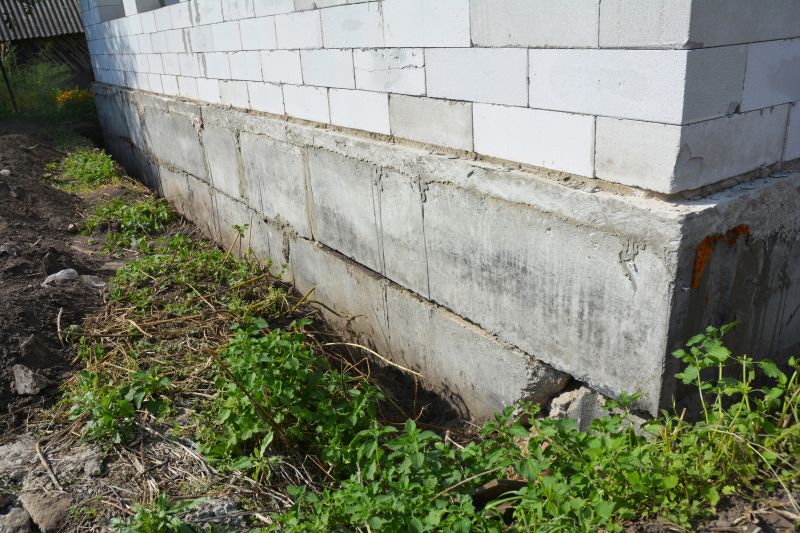 Concrete repairs are a common necessity for maintaining the safety and appearance of various structures, from residential driveways to commercial foundations. Selecting the right products for concrete repair involves understanding the specific needs of the project, such as the type of damage, the location, and the environmental conditions. Repair products can range from simple patching compounds to more advanced sealants and bonding agents, each designed to address particular issues like cracks, surface deterioration, or structural weaknesses.
Top Overall Option
Concrete Repair Patch Kit
A versatile concrete repair patch kit typically includes a cement-based compound, bonding agents, and finishing tools. These kits are designed for easy application on various surfaces, providing a durable and weather-resistant finish. They are suitable for filling cracks, patching holes, and restoring surface integrity. Such kits are favored for their convenience and comprehensive components, making them a reliable choice for both DIY enthusiasts and professionals.
Types of Products For Concrete Repairs
Concrete Crack Filler
Designed to fill and seal small to large cracks, preventing water infiltration and further damage.
Concrete Patch Compound
Used for patching holes and surface imperfections, providing a smooth finish.
Epoxy Concrete Repair
High-strength epoxy formulations ideal for structural repairs and bonding new concrete to existing surfaces.
Polyurethane Sealant
Flexible sealants suitable for expansion joints and areas prone to movement.
Liquid Concrete Resurfacer
Applied over existing concrete to restore a uniform surface and extend the lifespan.
Hydraulic Cement
Fast-setting material used for stopping leaks and repairing structural cracks.
Concrete Repair Mortar
A durable mortar mix for larger repairs and rebuilding sections of concrete.
Bonding Agent
Enhances adhesion between old and new concrete surfaces.
Surface Sealers
Protective coatings that seal repaired areas against moisture and wear.
Polymer Modified Concrete
Enhanced formulations for increased flexibility and adhesion in repairs.
Self-Leveling Underlayment
Creates smooth, level surfaces for flooring or further finishing.
Concrete Dyes and Stains
Used for aesthetic enhancement after repairs are completed.
Fast-Set Repair Mix
Ideal for quick repairs requiring minimal downtime.
Patch and Repair Trowel
Tools designed for precise application and finishing of repair compounds.
Expansion Joint Filler
Maintains flexibility and accommodates movement in concrete joints.
Waterproofing Membranes
Applied to prevent water penetration in repaired or new concrete surfaces.
Popular Choices
Widely used for sealing cracks and preventing further deterioration.
Commonly selected for surface repairs and patching large holes.
Popular for structural reinforcement and bonding applications.
Favored for flexible sealing of expansion joints and moving cracks.
Often chosen for restoring worn or damaged concrete surfaces.
Trusted for quick fixes and leak stopping in structural repairs.
Frequently used to ensure strong adhesion between old and new concrete.
Popular for protecting repaired areas from moisture and wear.
Commonly applied for creating even surfaces before flooring installation.
Chosen for urgent repairs requiring rapid setting times.
Used to maintain flexibility in concrete joints, reducing cracking.
Applied to safeguard against water infiltration in foundations and slabs.
Selected for aesthetic enhancements post-repair.
Essential tools for achieving smooth, professional finishes.
Popular for repairs requiring increased flexibility and bond strength.
For effective concrete repairs, it is essential to choose products that offer strong adhesion, durability, and compatibility with existing concrete surfaces. Proper preparation of the damaged area, including cleaning and removing loose debris, enhances the effectiveness of these products. Many repair solutions are formulated to be easy to apply, allowing for both professional and DIY use. Additionally, considering the longevity and resistance to weather or wear can help ensure that repairs remain intact over time.
The variety of available products means that homeowners and contractors can find solutions tailored to specific types of damage, whether it is minor surface cracks or larger structural issues. Some products are designed for quick fixes, while others provide more comprehensive, long-term repairs. Understanding the differences between these options can help users select the most appropriate product for their project, ensuring safety and structural integrity.
When choosing concrete repair products, it is also important to consider the ease of application, curing time, and whether the product is suitable for indoor or outdoor use. Properly selected and applied repair materials can significantly extend the lifespan of concrete structures, reduce maintenance costs, and improve overall safety. Consulting product labels and instructions can provide additional guidance to achieve the best results in any repair scenario.
Key Buying Considerations
- Type of damage: cracks, holes, surface deterioration, or structural issues.
- Compatibility with existing concrete: ensure the product bonds well with the current surface.
- Application method: choose between trowel, spray, or pour-on options based on project needs.
- Curing time: consider how quickly the repair material sets and cures.
- Environmental conditions: select products suitable for indoor or outdoor use.
- Durability and resistance: look for products designed to withstand weather, wear, and chemical exposure.
- Ease of use: evaluate whether the product is suitable for DIY application or requires professional skills.
- Size and coverage: ensure the product quantity matches the scope of the repair.
- Aesthetic finish: consider if the product can be colored or finished for visual consistency.
- Cost and budget: balance the product features with affordability.
- Safety and handling: review safety instructions and required protective gear.
- Long-term maintenance: consider how the repair material impacts future upkeep.
- Compatibility with other repair materials: ensure different products can be used together if needed.
- Curing conditions: check if special conditions like humidity or temperature are required.
- Availability: ensure the product can be sourced locally or through reliable suppliers.